Payment Labs vs Trolley: which platform is better for global payments, tax, and compliance

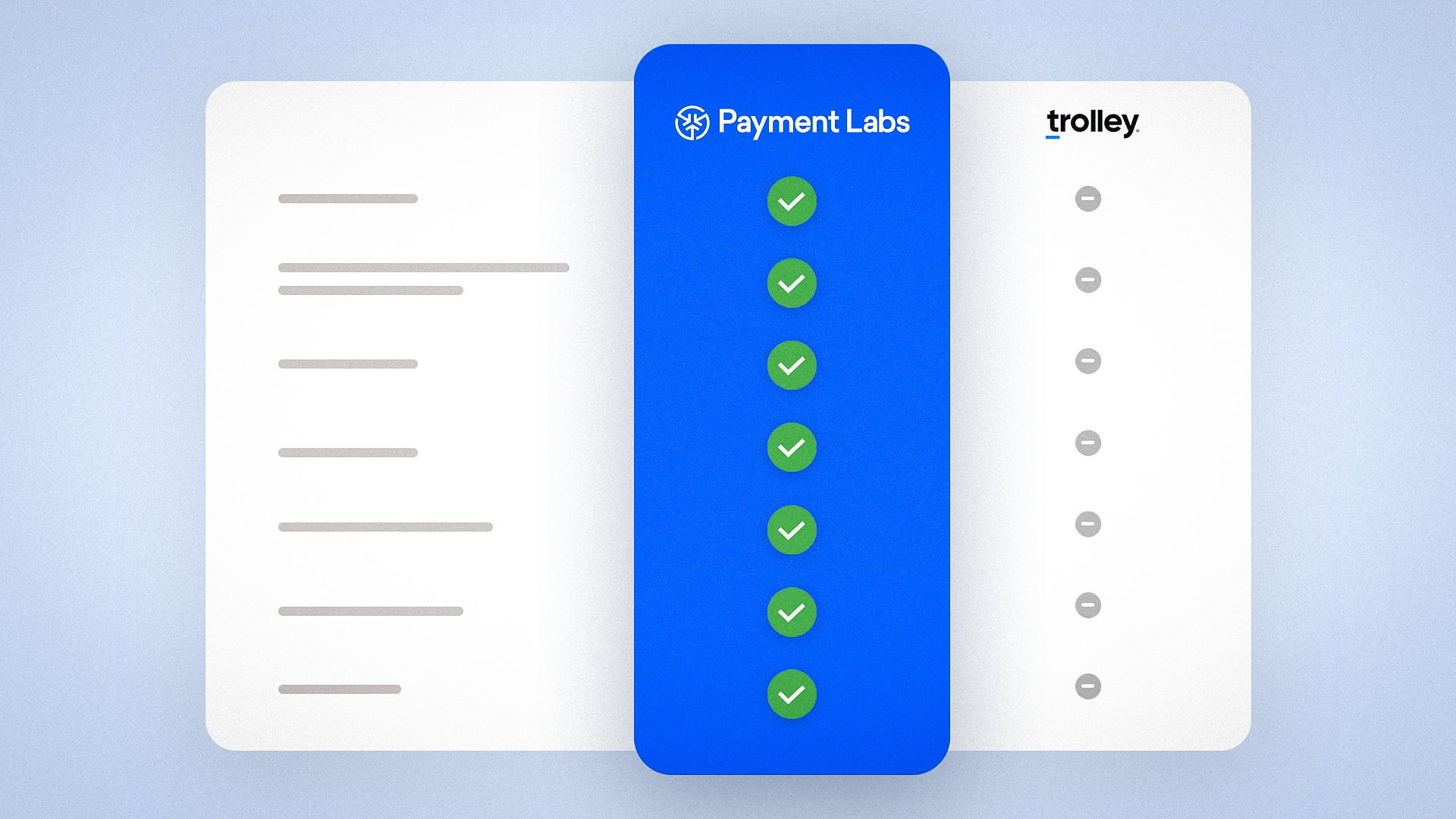
Payment Labs and Trolley both support global payouts, payee onboarding, tax handling, identity verification, and payment tracking.
Trolley offers payouts through Trolley Pay and sells tax, verification, and accounting sync through separate add-ons. Payment Labs manages payins and payouts in one platform, with tax and compliance workflows, reconciliation, and direct support for both organizations and payees.
What is the difference between Payment Labs and Trolley?
What payment types and use cases do Payment Labs and Trolley support?
Payment Labs supports the distribution of prize money, creator earnings, royalties, and payments to contractors and vendors. Trolley focuses on music companies, marketplaces, creator platforms, and affiliate networks.
Payment Labs also accepts entry fees, registrations, brand payments, and other incoming transactions and keeps the payins, payouts, fees, tax records, and reconciliation entries in the same system. Trolley does not process the customer or participant payment.
Payment Labs supports 150+ currencies across 180+ countries. Trolley lists 135+ currencies in 210+ countries and territories. Currency and destination determine the available payment methods, delivery times, and payee fees.
How do Payment Labs and Trolley integrate with finance and accounting systems?
Basic onboarding and payout setup does not require custom development on either platform. Trolley supports a dashboard, CSV uploads, API, SDKs, a payee widget, a hosted portal, and a sandbox. Organizations can use Payment Labs through its dashboard or connect it through the API, webhooks, hosted pages, and embedded experiences.
Trolley Sync connects with accounting platforms and other tools, but the selected subscription determines which integrations and refresh options are available. Trolley’s published pricing includes QuickBooks Online and Xero with Sync, lists NetSuite under a separate Accounting option, and reserves near-real-time Sync refreshes for Trolley Plus.
Payment Labs integrates with NetSuite, Microsoft 365, Sage, QuickBooks, Xero, FreshBooks, Oracle, CRM platforms, and other industry-specific systems.
Both platforms support payment approvals, status monitoring, returns and failures, reporting, and webhooks for passing transaction data to other systems.
How do Payment Labs and Trolley handle tax, identity verification, and compliance?
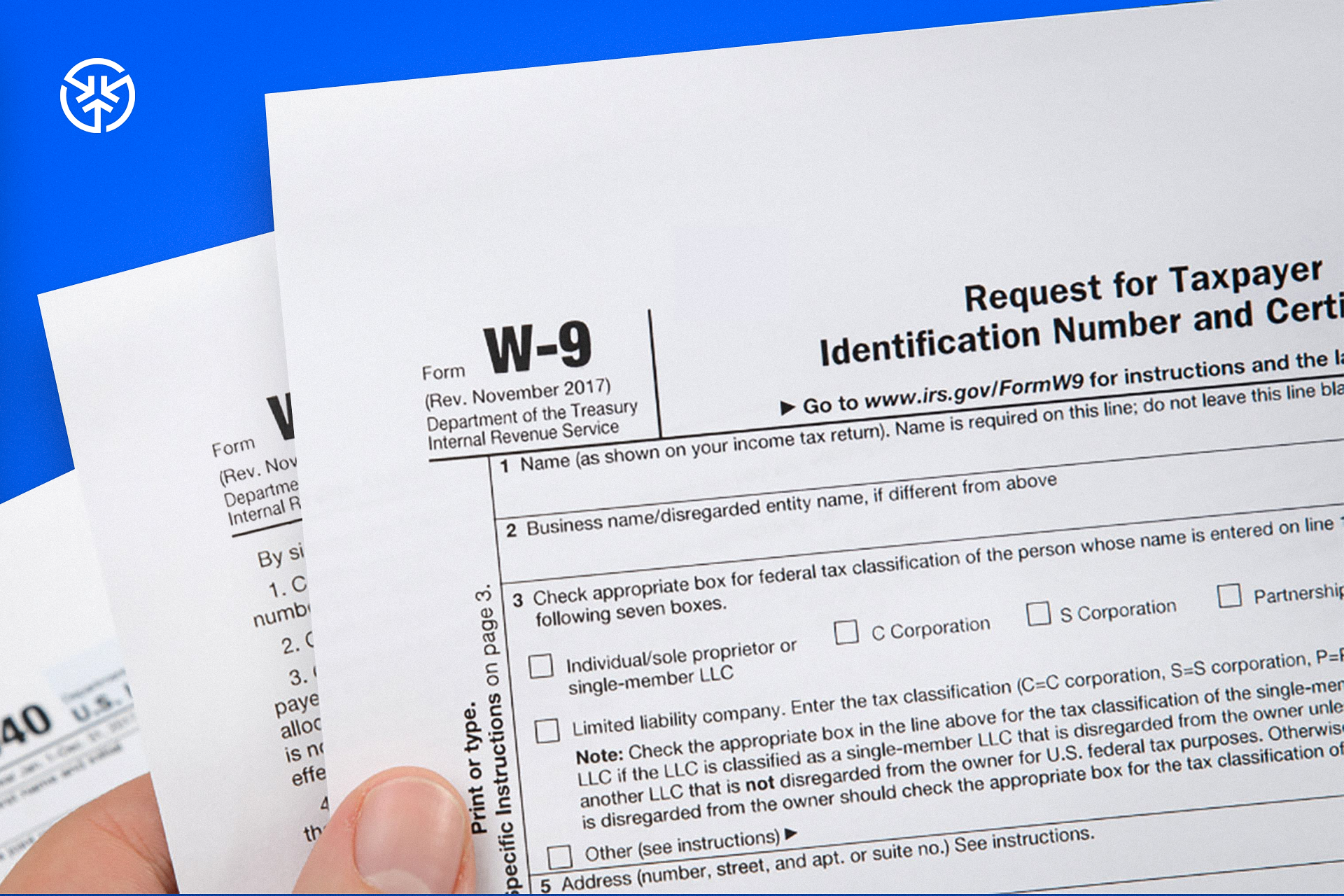
Both platforms collect and validate W-9 and W-8 forms, verify tax identification details, calculate applicable withholding, and generate and file Forms 1099 and 1042-S. Payment Labs assigns tax jurisdictions and payment categories to batches and payments so the applicable documentation, withholding, and remittance rules can be applied. Trolley Tax provides corresponding U.S. and digital-platform reporting workflows, with its Standard subscription covering one jurisdiction and Trolley Plus supporting multiple jurisdictions.
Trolley lists OECD digital-platform reporting for the EU, the UK, Australia, and New Zealand, including the EU’s DAC7. Payment Labs configures country-specific withholding, documentation, and reporting workflows around each organization’s corporate setup, event locations, and payee profiles. This includes localized tax workflows for the United States, the UK, the EU, Saudi Arabia, Malaysia, and other jurisdictions.
Trolley Trust handles document collection, identity and phone verification, public-data validation, watchlist checks, and configurable risk controls. Payment Labs collects and validates identity and business information and incorporates KYC, KYB, AML, sanctions screening, transaction monitoring, and compliance reviews into the wider payin and payout process.
Payment Labs is SOC 2 Type II certified. Its privacy policy addresses CCPA rights and European data-transfer requirements, while its handling of payment data complies with PCI DSS. Trolley is SOC 2 Type II compliant and states that its privacy practices comply with GDPR, the UK Data Protection Act, CCPA, and PIPEDA.
How do payee onboarding and support compare between Payment Labs and Trolley?
Trolley payees register through an email invitation, submit their identity, tax, and payment information, and use a web portal to update their details and check payment status. Payment Labs gives each payee a personal web dashboard, offers an embedded experience for an organization’s website or app, and provides native apps for iOS and Android. Payees can complete identity and tax requirements, choose or update a payment method, track pending, completed, or returned transactions, review transaction history, and access available tax documents.
Trolley provides branded self-service, automated payee communications, Help Center access, and support by email, phone, and in-product chat. A dedicated customer success manager is included with Trolley Plus.
Payment Labs provides direct 24/7 support to organizations and payees through its web app, iMessage, WhatsApp, and email. Support specialists can work directly with a payee on missing information, a returned payment, or another account issue without routing every question through the organization.
How do Payment Labs and Trolley compare on pricing and FX costs?
For U.S. customers, the basic Trolley Pay plan is $2,399 per year, Tax adds $2,399, Trust and Data Connectors are $1,199 each, and Accounting is $699. Its listed usage charges include $1 for domestic ACH, $4 for international ACH, $2.50 for a completed identity-verification scan, and a 2% currency-conversion margin. IRS statements cost $2 each and digital-platform reports cost $3 each. Statement generation is included with Trolley Plus.
Payment Labs does not charge per seat or payee. Platform, payment, and FX pricing is quoted for each program, with custom discounted pricing available for high payment volumes.
How do Payment Labs and Trolley compare overall?
The choice comes down to whether payouts are the entire job or one stage in a larger payment operation. Trolley is designed around outbound payouts, with tax, verification, accounting sync, and data capabilities sold separately. Payment Labs is the stronger overall fit when payins, payouts, tax and compliance workflows, reconciliation, and payee support need to operate as one connected process.
This difference matters most in sports, esports, events, creator programs, and agencies since an organization may collect registration fees or brand funds before paying athletes, winners, creators, staff, and vendors. Payment Labs keeps those transactions in one system and provides direct 24/7 support when a payee’s tax form, identity check, or payment needs attention.
Talk to Payment Labs about how your complete payment flow would be configured.