How to optimize fee collection for sports leagues and events


Fee collection and dues management present a unique set of challenges for sports clubs and leagues.
Solutions for large-scale sports organizations are too expensive and complex. At the same time, manual tracking, chasing payments, and messy spreadsheets take up a disproportionate amount of time. This makes financial management, compliance, and tax preparation a huge part of operations, which these organizations aren’t prepared or equipped to handle.
Optimized payment management attracts more talent, saves time, and frees up precious resources. And it doesn’t necessarily require enterprise-level tools if you find the right approach for the size and needs of your organization. In this article, we’ll go over the most common fee collection methods, what organizations they fit best, and how to choose the option that creates the least friction for you and your community.
Ways to organize fee collection
Fee collection can be organized in several ways depending on how your club or league operates, how many participants you manage, and the complexity of your financial workflows. Most end up using one of the models below or a combination.
- In-person and offline collection - cash, checks, or payments collected at registration or practice.
- Manual and semi-manual payments - participants send entry fees directly to a bank account via a payment link or wallet. This requires manual follow-ups, tracking, and reconciliation in spreadsheets.
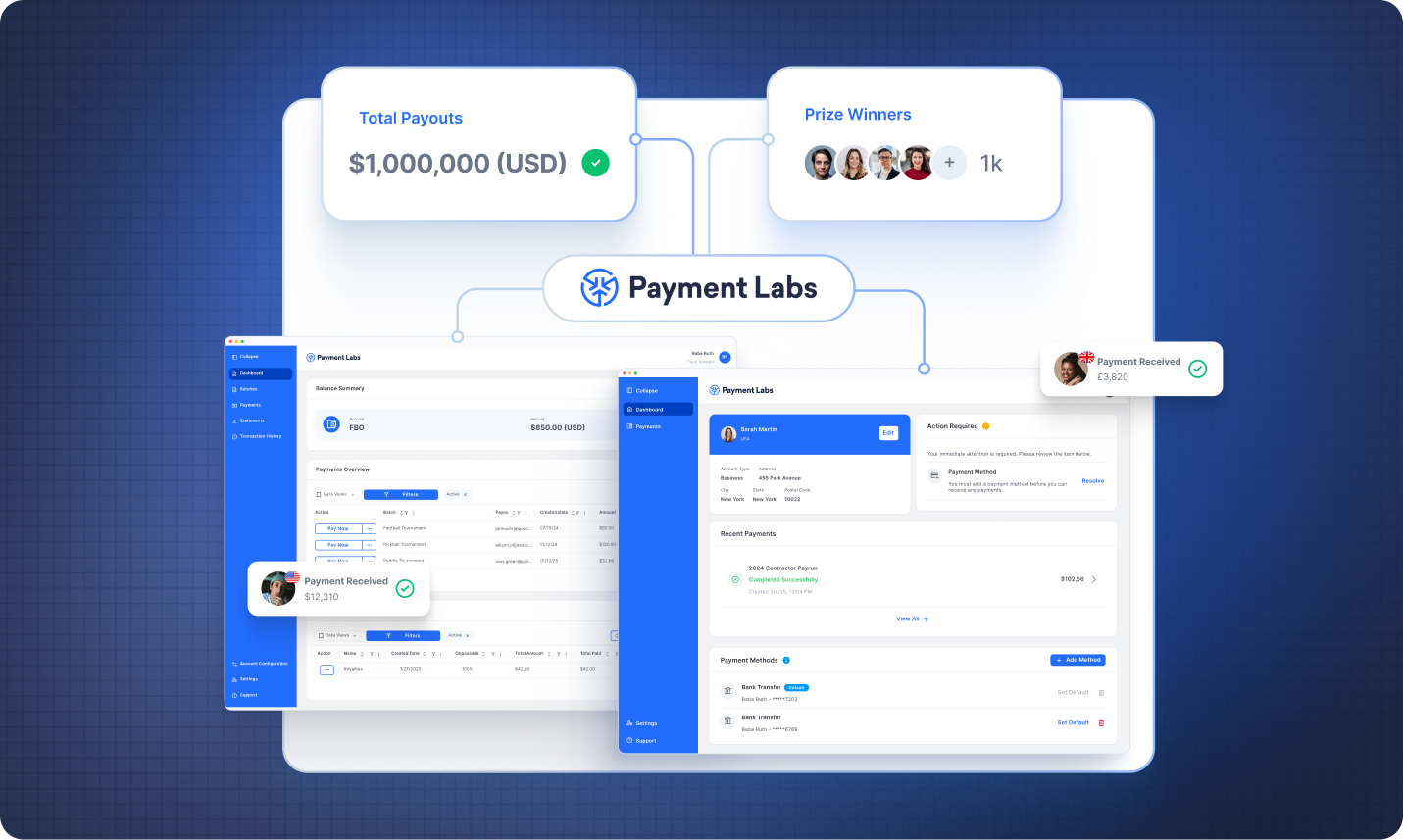
- Centralized online payment systems - a payment management platform for all your payins and payouts unifies how transactions are initiated, processed, recorded, tracked, and reported. When platforms like Payment Labs are integrated with your infrastructure, registrations, team dues, prize distributions, and brackets are linked and reconciled automatically.
- League or tournament platforms - end-to-end platforms automate tournament management processes but don’t specialize in payments which limits their flexibility.
How to choose the right fee collection option
- Look at the size and complexity of your organization. Small leagues or clubs might get by with manual or offline tools, but the amount of payment data quickly gets out of hand. Once transactions start to go into hundreds, there’s a clear need for a centralized online system to remove administrative burden and give a visibility into analytics. Fantasy and esports leagues, especially, need an automated digital-first payment solution due to the online nature of the events and remote players.
- Map out the payments you’re going to process. This includes entry fees, season dues, tournament fees, penalties, and prize payout distribution. If your event structure requires several payment types, automation saves time and effort.
- Consider the complexity of your operation. If you handle many players, run multiple events, and issue frequent payouts, you need a system to easily track, reconcile, and report on the finances without spreadsheets.
- Built-in tax document management for the team and participants. Creating tax documents for your organization and participants can become a huge time-wasting task for the team and a significant financial risk for your organization. It’s crucial that whatever you end up using for your club’s or league’s payment management, the required documents are generated and sent out on autopilot.
- What is your current technical setup? If you already have tournament or registration software, make sure your payment solution can plug into it for automated reconciliation and streamlined payment initiation.
- Ensure payment support availability. If your payment provider doesn’t offer support, your team has to handle compliance, disputes, and chargebacks in-house. This consumes a lot of time, requires specialized expertise, and distracts from their responsibilities. Both your staff and participants will be thankful to have qualified support that helps them navigate payment questions and issues.
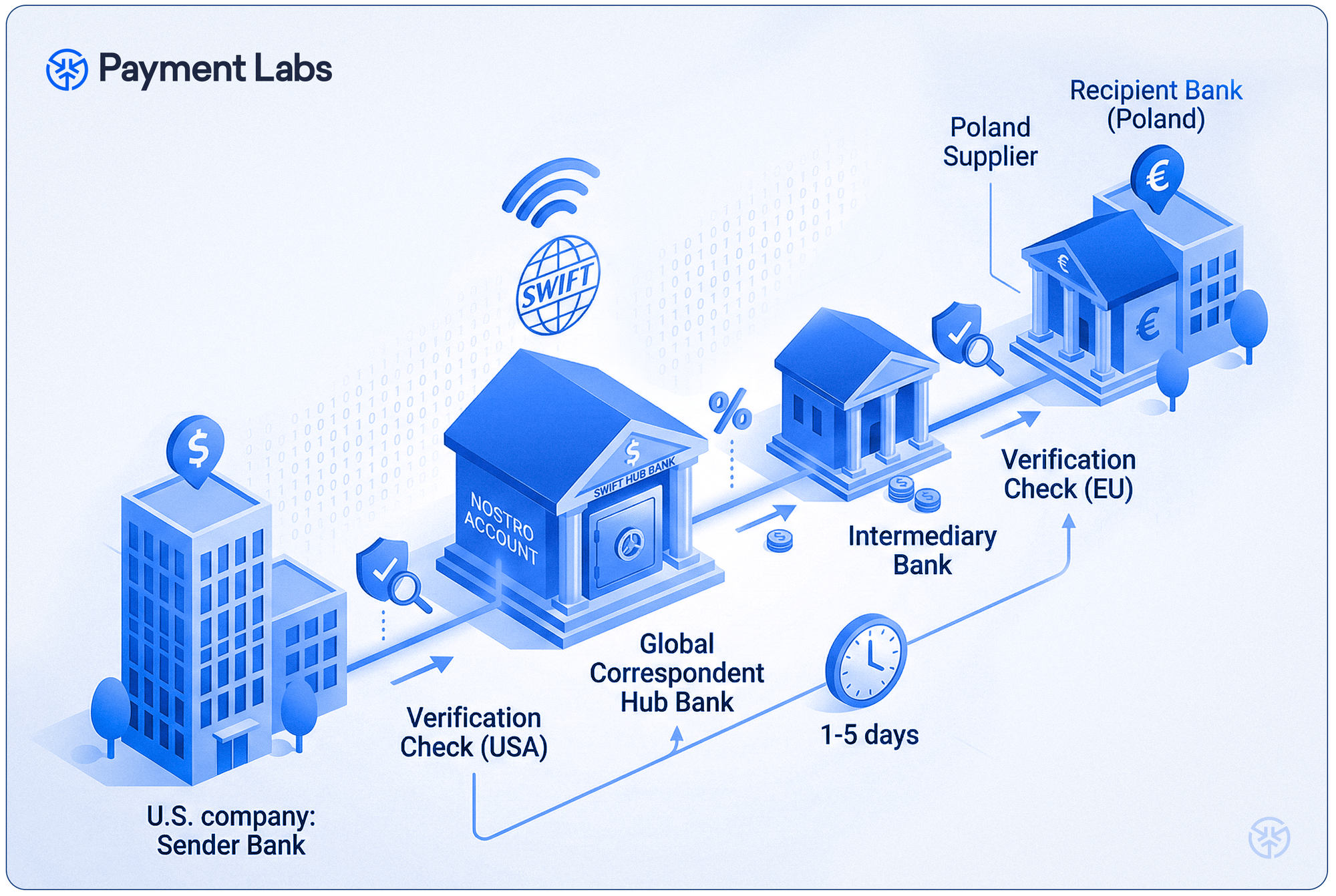
- Take into account international participants. If you’re working with cross-border or multi-currency payments (or may do so in the future) you have to make sure your software supports international payins and payouts to avoid compliance issues. Otherwise you’d have to get a second solution just for these users or limit yourself to domestic payments.
- Do not underestimate the importance of payment compliance. Financial and regulatory compliance requirements often cause payment delays. Every jurisdiction has its own rules for cross-border payments, and even a small mistake can lead to rejected payments, frozen funds, and unexpected penalties, creating friction and dissatisfaction for international athletes and staff.
The pillars of optimized fee collection
For sports clubs and leagues, amateur tournament organizers, fantasy sports leagues, youth sports programs, esports, gaming tournaments, and small federations, fee collection isn’t about advanced payment flows and sophisticated decision logic. It’s about making routine payment and tax operations reliable and manageable for existing staff members.
Optimized fee and dues management comes down to practical elements that reduce manual involvement, simplify oversight, and unlock scalability of your operations by removing complexity.
- Automation - automating payment operations prevents finance from becoming a full-time role. This includes reminders for unpaid fees and dues, recurring charges for events, memberships, and seasonal dues, refunds and prize money payouts by brackets, as well as reconciliation of payment data with registration or tournament results.
- Centralization - to run efficiently and improve collectability of funds, an organization needs to avoid fragmented reporting and data management. One system needs to cover payins (fees, dues, penalties), payouts, and reporting. Without centralization, a league administrator or an event organizer will get overwhelmed with spreadsheets and invoices.
- Transparency - an administrator needs real-time visibility into who has paid and who hasn’t. The participants, in turn, need to have clarity about fee structures and deadlines which will allow you to avoid disputes and build trust.
- Flexibility - participants need multiple payment methods to find the one that suits them best. The system needs to be mobile-friendly to be accessible from any device, and support multi-currency and cross-border payments to enable international operations.
- Integration - payments must connect seamlessly with your existing infrastructure including tournament software, registration tools, accounting systems, and reporting solutions.
- Payment support - when moving through payment rails, both domestic and international transactions can be delayed, rejected, or frozen. Without reliable support from your payment provider, it’s up to your organization to investigate the problem, communicate with banks, and resolve failures on behalf of your payees.
What to look for in payment software for your league or sports organization
To actually optimize fee collection, payment software needs to do more than accept payments. There’s a lot of functionality surrounding payins that will prove valuable and with the right setup, you can keep finances organized without adding operational complexity.
- Fee configuration - your payment software should enable configurable entry fees, recurring dues, one-time charges, discounts, and refunds.
- Payouts and prize distribution - there needs to be an ability to swiftly distribute prize pools, bracket-based winnings, refunds, and reimbursements automatically with tracking in one system.
- Participant tracking - you need the ability to see who has paid, who still owes fees, and the status of all transactions.
- Multi-currency and cross-border support - to not get locked into just one jurisdiction, make sure you can make and receive international payments compliantly and at good rates.
- Notifications and reminders - the majority of communication needs to be automatic. This is achieved with configurable notifications and reminders participants get via email or SMS.
- Multiple payment methods - paying money has to be easy, so there needs to be a choice of payment methods from cards and bank transfers to e-wallets and cryptocurrencies, depending on your audience’s requirements.
- User dashboard - participants need to have access to their transactions, payment methods, personal data, and tax documents in a user-friendly and secure interface.
- Tax files generation and management - automatic data verification and generation of compliant tax documents for reporting will simplify operations for your team and participants, saving significant time.
- Integration-ready - your payment system needs to have a native or API-based integration with your other digital infrastructure, such as event management platforms and accounting software to avoid duplicate data entry.
- Role-based access - different members of the team need to have different permissions and access levels for oversight and accountability.
- Mobile-friendly payments - participants should be able to pay quickly from any device without any friction.
Common mistakes to avoid
Leagues and tournaments worldwide run into the same problems and make the same mistakes that cause them stress and cost money. Luckily, none of those mistakes are unavoidable.
- Letting teams or clubs manage payments separately. Every team having a treasurer, a bank account, or a spreadsheet can sound like delegating work. But in reality it complicates oversight, creates reporting chaos, and dilutes accountability.
- Relying on spreadsheets. Spreadsheets don’t scale. They lead to avoidable errors, version conflicts, and make reconciliation slow.
- Ignoring tax and reporting obligations until the end of the season. When tax compliance is an afterthought, it becomes a major concern. Tax forms, thresholds, and participant documentation should be handled on autopilot.
- Using fragmented tools that don’t integrate with one another. Registration, payment, and accounting solutions need to work in unison in order to minimize reconciliation time and errors. Otherwise, you will be forced to spend all your time making sure the data between all the tools aligns.
The bottom line
When payments are done right, your organization gets higher collection rates, increased revenue, less admin work, and a better experience for participants. More importantly, your team can focus on growing the sport instead of reconciling inconsistent data across spreadsheets.
Fee collection and dues management shouldn’t be a bottleneck in your operations. With an optimized approach, small sports and fantasy league payments can and should run smoothly without a huge, clumsy infrastructure.