Building a global creator payout system - reconciliation, taxes, compliance, and currency exchange at scale


Content creators, streamers, affiliates, and other digital earners are increasingly global. The self-employed creator market is projected to reach $500 billion by 2030. More than 200 million people worldwide identify as creators and for around 50 million, it’s a serious source of income.
Paying them means moving money across borders, currencies, and regulatory environments quickly, reliably, and with minimal loss in fees and FX. Payment Labs works with numerous creator platforms and in every project the talent emphasizes that payout speed and the final amount received are core to their livelihood and platform trust.
Managing these payments becomes a complex system where even small inefficiencies in payout speed or FX handling compound into delayed income and lost earnings for creators at scale.
Major platforms are setting the standards for monetization models and payout ease, and thousands of agencies, networks, and marketplaces have no choice but to compete by implementing flexible solutions to serve their talent.
Creators have come to expect near-instant payouts and full transparency into fees - payment delivery should be as fast as the creator's ability to make a social media post. Sought-after earners will switch platforms based on how fast they get paid and how much they keep.
As platforms scale, payment complexity compounds. Fragmented processes lead to failed transfers, compliance risks, and additional operational overhead. This becomes a bottleneck that restrains growth, increases costs, and creates regulatory exposure, directly impacting creator satisfaction through delayed payouts and reduced net earnings.
Once simple manual bank transfers become unmanageable, global creator payouts tend to break down in terms of tax reporting, regulatory compliance, currency and FX management, and operational reliability.
In this guide we’ll cover:
- How the money flow architecture of creator payouts works
- Key challenges platforms face across jurisdictions
- Compliance considerations on local and international levels
- Operational bottlenecks you have to plan around
- How to design a scalable payment architecture for global creator payouts.
Money flow architecture of global creator payouts
Creator monetization systems fall into two different money flow architectures - creator platforms and marketplaces.
The building blocks are the same (payment processor, ledgers, payout systems), but they differ in where the organization sits in the transaction lifecycle.
- Creator platforms (social media, affiliate networks) allocate revenue after it’s generated.
- Marketplaces (e.g., Etsy, Upwork) orchestrate transactions at the point of payment.
Despite this difference, the creator monetization flows follow a similar structure:
- Brands, advertisers, or buyers fund the ecosystem
- Revenue is generated via ads, affiliates, contracts, products, or services
- Earnings are attributed to creators or sellers
- Data is reconciled across systems
- Balances are finalized in an internal ledger
- Approved balances are released to the payees via payout infrastructure.
Creator platforms payout architecture (post-revenue allocation)
Creators don’t get paid directly from the raw platform revenue. Instead, payouts move through a system that separates earning, accounting, and execution:
- Earning layer - where revenue is generated and attributed
- Ledger layer - where earnings are recorded, adjusted, and finalized
- Payout layer - where allocated money is transferred to creators.
Before any payouts go out, earnings are processed in an internal ledger, decoupling revenue and payable balances, ensuring consistency across data sources. It tracks:
- Pending earnings - unverified commitments
- Cleared earnings - approved and settled amounts
- Adjustments - commissions, fees, refunds, chargebacks, and fraud removals.
Payout batching and execution
Once earnings are finalized, payouts are typically executed in batches rather than in real time. This reduces transaction costs and simplifies compliance checks. Whether a creator is included in the batch depends on:
- Reaching the minimum payout thresholds
- Regional and individual payout schedules
- Settlement delays and risk holds.
As creator ecosystems mature, the expectation shifts from cost-optimized batching to faster, more flexible payout options, including on-demand and real-time payouts.
Marketplaces payout architecture (transaction mediation)
Unlike creator platforms, marketplaces don’t allocate revenue after it’s generated. They mediate the transaction between buyer and seller, taking a fee from each exchange.
- Buyer payments are captured at checkout or contract initiation via a payment processor
- Funds are held until service milestones are reached, product is delivered, or dispute windows are cleared
- Marketplace records the transaction in its internal ledger
- Funds are released upon delivery
- Payouts are executed through a payout system.
Cross-border complexity in creator payouts
As soon as payouts cross borders, things get more complicated since the organizations starts to deal with different currencies, banking systems, and regulatory environments. In practice, that means:
- Handling multiple currencies and constantly changing exchange rates
- Working across banking systems with different speeds and reliability
- Dealing with country-specific compliance, tax rules, and reporting requirements
Payout orchestration layer
To make this manageable, platforms introduce a layer system that decides how money moves globally called a payout orchestration layer. It takes care of things like:
- Converting currencies at the most efficient rates available
- Choosing the best payment rail depending on location (ACH, SEPA, SWIFT, local rails, wallets)
- Retrying failed payouts and keeping records in sync
- Confirming settlement and updating the ledger accordingly.
Challenges that make creator payouts a scaling bottleneck
For growing creator systems, payouts become a system-wide coordination effort across data, compliance, liquidity, and financial infrastructure. This makes payouts one of the most complex parts of day-to-day operations limiting the ecosystem’s ability to scale.
- Distribution, eligibility, and operational overhead
Manually determining who gets paid, how much, and when, across monetization models, regions, and payout options is unscalable. In the beginning, this is managed in spreadsheets but has to evolve into a rule-based eligibility logic involving thresholds, revenue sources, and payout schedules.
- Manual reconciliation and operational friction
Platforms must constantly match payments against creators, campaigns, contracts, or milestones. Without automation, administrative teams become overwhelmed and mistakes pile up.
- Currency and FX complexity
Global payouts require ongoing currency conversion and adjusting to volatile exchange rates. Key challenges include FX fees, multi-currency payout models, and minimizing value loss during conversion, ensuring creators receive as much of their earnings as possible.
- Cash flow and liquidity constraints
Payouts are batched to reduce costs but this introduces delays. Platforms need liquidity buffers to cover gaps between revenue collection and payout execution.
- Tax complexity
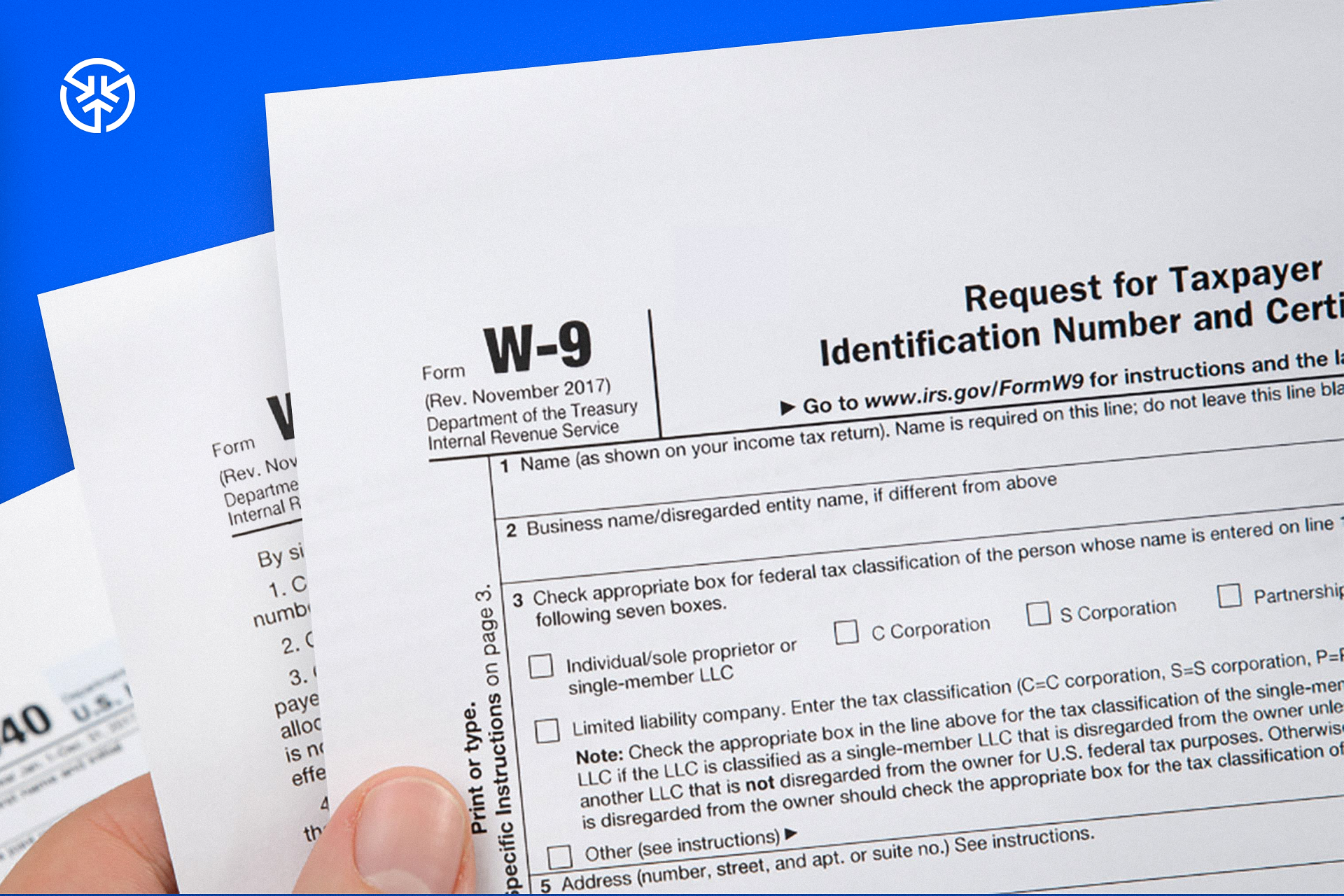
Platforms must manage creator classification, collect and verify tax documentation, handle withholding requirements, and meet reporting obligations that differ by jurisdiction. Payment Labs platform for creator payouts supports tax handling and regulatory compliance across the US, Canada, Latin America, Europe, Asia and beyond.
- Compliance and regulatory requirements
Financial infrastructure has to keep you compliant with financial regulations beyond taxes, including KYC/KYB, sanctions screening, anti-money laundering rules, and audit requirements.
- Failure handling
Payout failures are inevitable and need to be handled systematically. This includes payment info correction and retry mechanisms, reconciliation, and fraud detection.
- Creator support
Supporting creators with missing payments, delayed transfers, incorrect tax classification, and disputes becomes a significant cost center.
How to build a payment architecture for global creator payments
Early-stage payout systems typically rely on a patchwork of manual processes. When creator platforms launch, they often start with:
- Manual creator onboarding with limited verification
- Spreadsheets for tracking earnings
- Single payout method like bank transfers
- Ad-hoc FX handling through payment providers
- Manual tax form collection, distribution, and compliance tracking.
This setup can work at low volume, but breaks quickly as creator count, payout volume, and geographic coverage grow.
To operate globally, platforms need to integrate these core components:
- Creator onboarding and verification - collect and verify identity (KYC/KYB), tax information, and payout preferences upfront to ensure compliance and avoid payout failures later.
- Ledger system - track all earnings across monetization models separating transactions by status (pending, cleared, payable), and handling fees, refunds, and chargebacks.
- Payin infrastructure - capture incoming funds from advertisers, buyers, or partners and ensure they can be reconciled with creator earnings.
- Payout engine - apply rules to trigger payouts automatically based on thresholds, schedules, and risk holds, or on demand.
- Payout methods - support payment options (bank transfers, local rails, wallets) and allow payees to choose payout methods based on their location, cost, and reliability.
- FX and multi-currency handling - implement a currency conversion process that optimizes FX rates at scale and simplifies international transactions.
- Compliance (US and global) - handle tax reporting, withholding, identity verification, sanction screening, and audit requirements across jurisdictions.
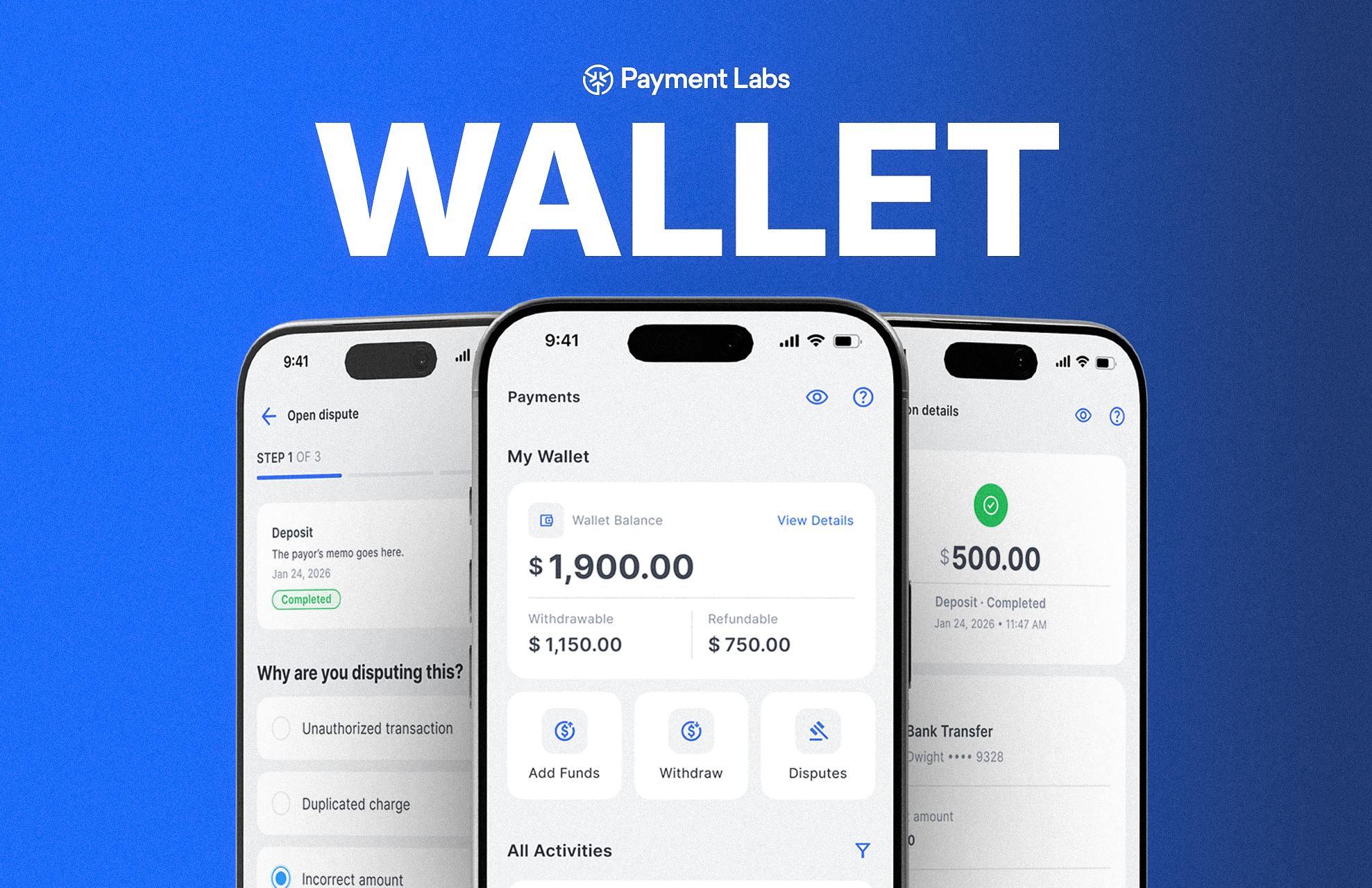
- Creator-facing experience - provide visibility into earnings, payout status, timelines, and access to tax documents to reduce support load and build trust.
Together, these components synchronize along these lines:
- Creator is onboarded with identity, tax details, and payout preferences
- Revenue enters the system from advertisers, buyers, or partners
- Earnings are attributed and recorded in the ledger
- Balances are reconciled and finalized
- The payout engine determines eligibility and timing
- FX and payout methods are selected
- Funds are paid out
- Payout status is logged in the ledger and shown to the creator
- Tax documents are prepared and distributed to payees at the year-end.
What a scalable creator payout system looks like
A well-designed payout system is defined by how reliably, quickly, and cost-effectively it moves money at scale, while maximizing the amount that reaches creators. For creator platforms, successful payment automation looks like this.
- Accurate, real-time earnings visibility - creators can always see what they’ve earned, where transactions are, what’s pending, and what’s available for payout.
- Automated reconciliation with minimal manual intervention - earnings, payouts, and financial records sync across systems without spreadsheets or manual checks.
- High payout success rate with fast settlement times - transaction failures are rare due to upfront validation, proper onboarding, and optimized payout routing.
- Efficient FX handling with optimized exchange rates - currency conversion is optimized at scale, avoiding unnecessary fees and unfavorable rates.
- Built-in compliance and tax handling - tax forms collection and distribution, as well as compliance with regulatory requirements are handled systematically rather than reactively.
- Flexible global payout coverage - multiple payout methods and local rails ensure creators can get paid reliably regardless of location.
Payment Labs provides a purpose-built platform for global creator payouts and payins designed to optimize both payout speed and the final amount creators receive.
By combining intelligent payout orchestration, optimized FX at scale, and flexible global payout rails, Payment Labs enables platforms to reduce delays, increase payout success rates, and minimize value loss across every transaction.
If you’re scaling a creator platform, marketplace, or agency network and running into the complexity described in this guide, Payment Labs helps you deliver faster payouts and better earnings outcomes for your creators without additional overhead.