How to automate soccer payments: registration fees, payouts, and tax compliance
From player registration to referee payouts and event closeout, soccer payments involve many moving parts. This guide explains how to organize collections, payouts, tax documentation, and reconciliation.

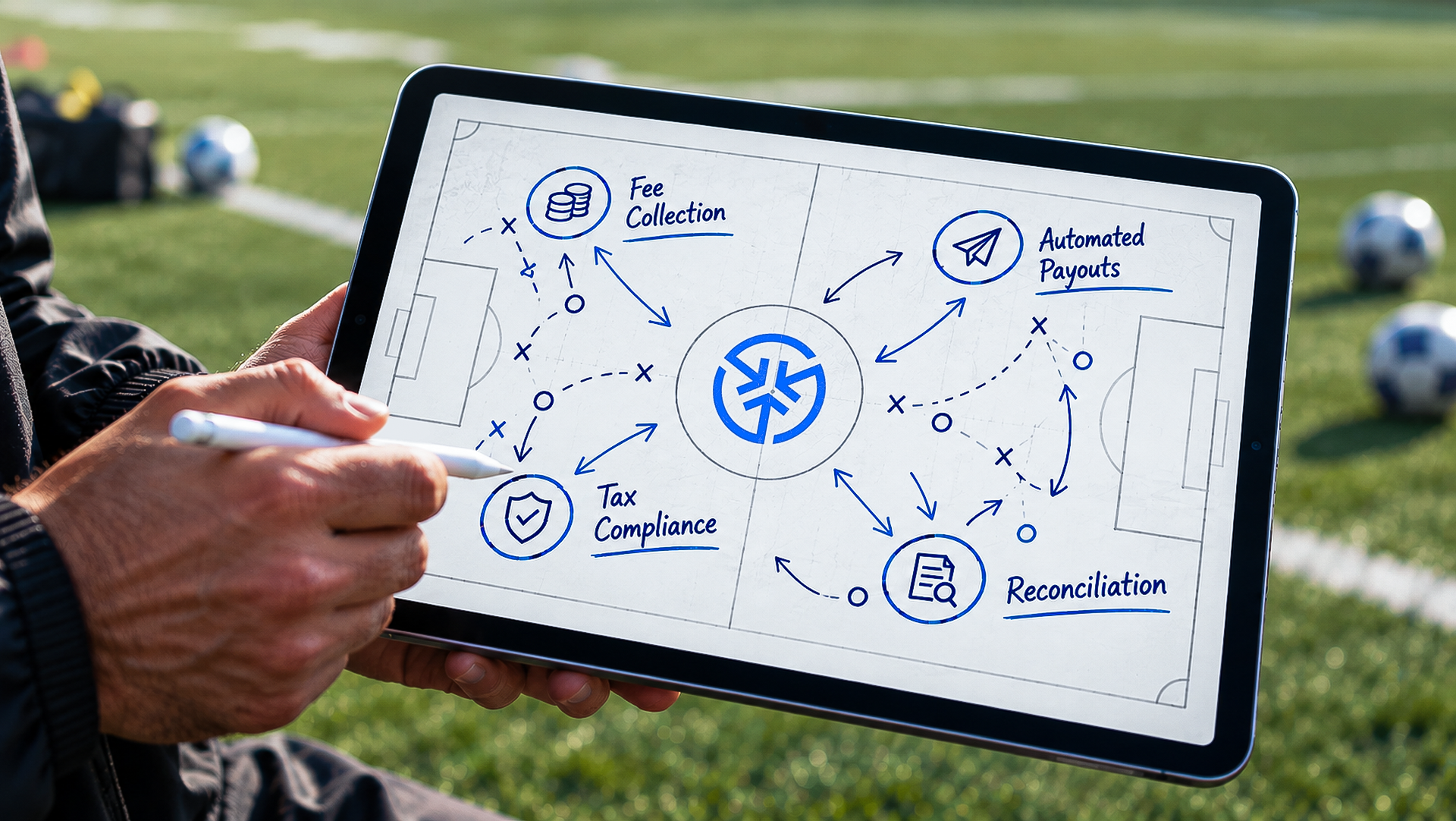
Recent U.S. polling shows soccer nearly level with baseball and basketball as Americans’ favorite sport to watch. As interest grows, more organizations begin running tournaments, leagues, and teams. For organizers, that means tracking which players and teams have paid their dues, who is owed money, and whether deposits match event records.
This guide explains how to collect fees, handle failed charges and refunds, prepare payouts, gather tax information before payment is due, and reconcile activity across events and seasons. It also covers what to look for in a provider that reduces manual work for the admin staff.

What payments do soccer organizations collect and make?
Payment flows vary, but clubs, leagues, and tournament organizers commonly handle:
- Player registration, season, camp, and clinic fees, paid by a participant, parent, or guardian.
- Club or league dues and team entry fees, paid by a club or team.
- Match fees for referees and other officials, plus payments to coaches, contractors, and vendors.
- Athlete compensation under agreements and, where applicable, tournament prizes and bonuses.
- Refunds after withdrawals, cancellations, or corrected charges.
Where soccer payment workflows break down
Payment issues often arise at three stages:
- Registration - an unpaid entry fee, withdrawal, or refund can leave the roster out of sync with collected funds.
- After matches - schedule changes affect who is owed what while game results determine prize winners and amounts. Missing payee or tax details delay payouts.
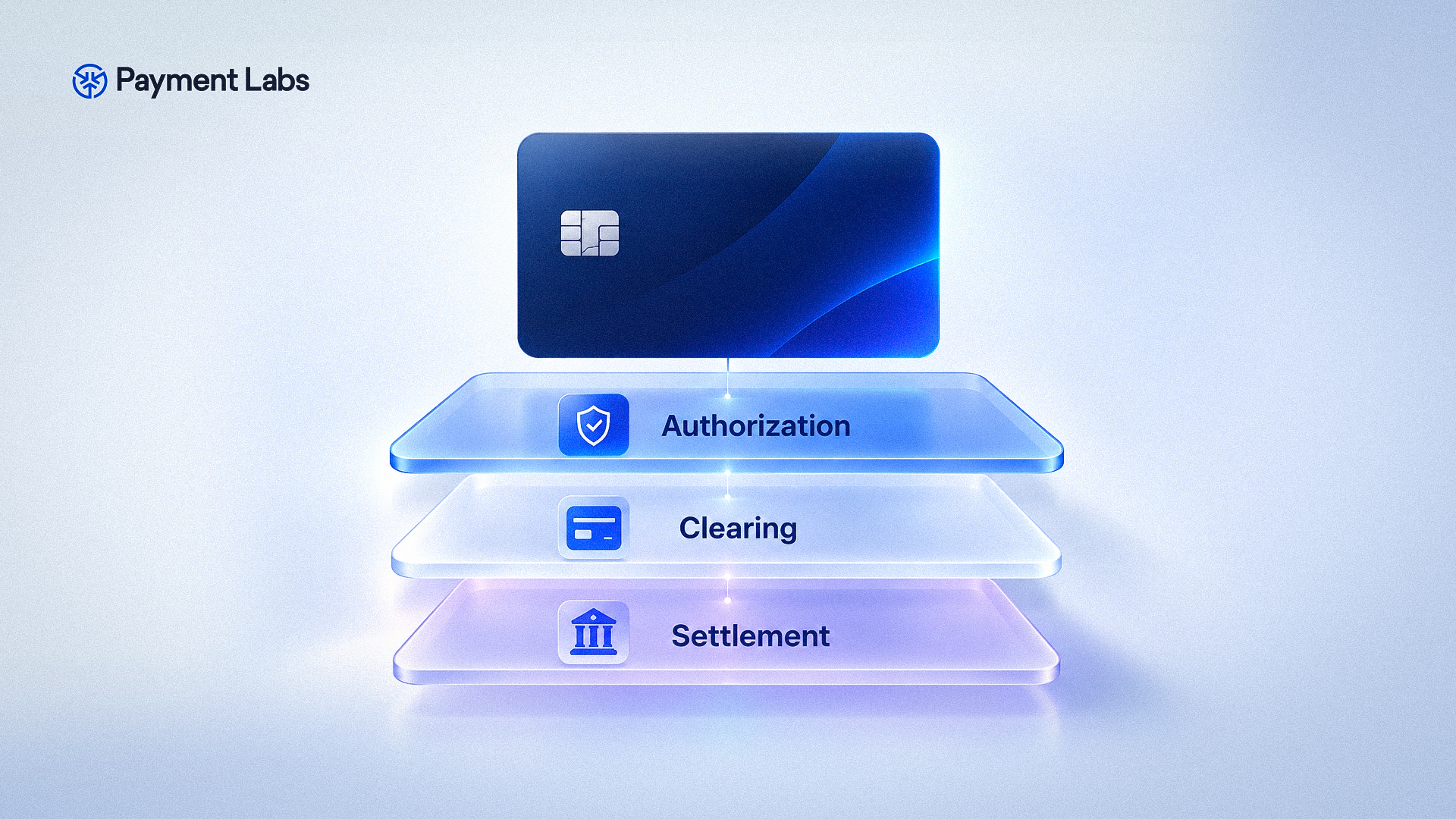
- Event closeout - processors may batch payments, deduct fees, and reflect refunds in later settlements, so bank deposits may not match event records line for line.
How to automate registration and tournament fee collection for soccer organizations
A reliable collection process has five steps:
- Define what’s owed and to whom. Set the amount for each fee and identify whether it applies to a player, vendor, team, or event.
- Set the payment terms before registration opens. Set the due date and establish whether payment is due in full or can be made in installments. Make the late-payment and refund policies clear at sign-up.
- Collect payment with registration or team entry. When a parent registers a player or a manager enters a team, link the charge to that registration or team entry, and update its status when the charge succeeds or fails. If payment happens through a separate link or manual payment process, require a reference to the player, team, season, or tournament.
- Follow up on failed, partial, or overdue payments. Set reminders for failed, partial, or overdue payments, and flag cases that need staff follow-up. If someone withdraws or an event is canceled, record the refund against the original payment so the roster or entry records reflect the change.
- Confirm fee status before finalizing the roster or entry list. Mark each player or team fee as paid, partially paid, refunded, or outstanding.
How can soccer organizations automate referee, contractor, and athlete payouts?
Each payout needs a record that shows who is owed and how much. For an official, that means a confirmed assignment and agreed rate. A coach, contractor, or vendor may be paid against an agreement, approved work record, or invoice. An athlete’s payment should be supported by an agreement, approved expense, or award calculation.
Collect payee details and record rates or payment terms before the season or event. Link the supporting records to the payout workflow so it can assemble a draft batch with each amount tied to its event and source. For prizes, calculate amounts from finalized standings and the event’s award schedule. Staff can review exceptions and approve the batch before release.
Keep each transfer linked to its source record. If a payment is returned, correct the payee or delivery details and reissue it against the same assignment, invoice, agreement, or award.
How do U.S. tax and cross-border rules affect soccer payouts?
Before a soccer organization pays a referee, contractor, athlete, or prize winner, it needs to know the payee's personal details, tax status, and the payment type. A match fee, a service invoice, and a tournament award can have different tax treatments. Sorting that out after the event can leave approved payouts waiting on missing information.
Collect the right tax information from each payee
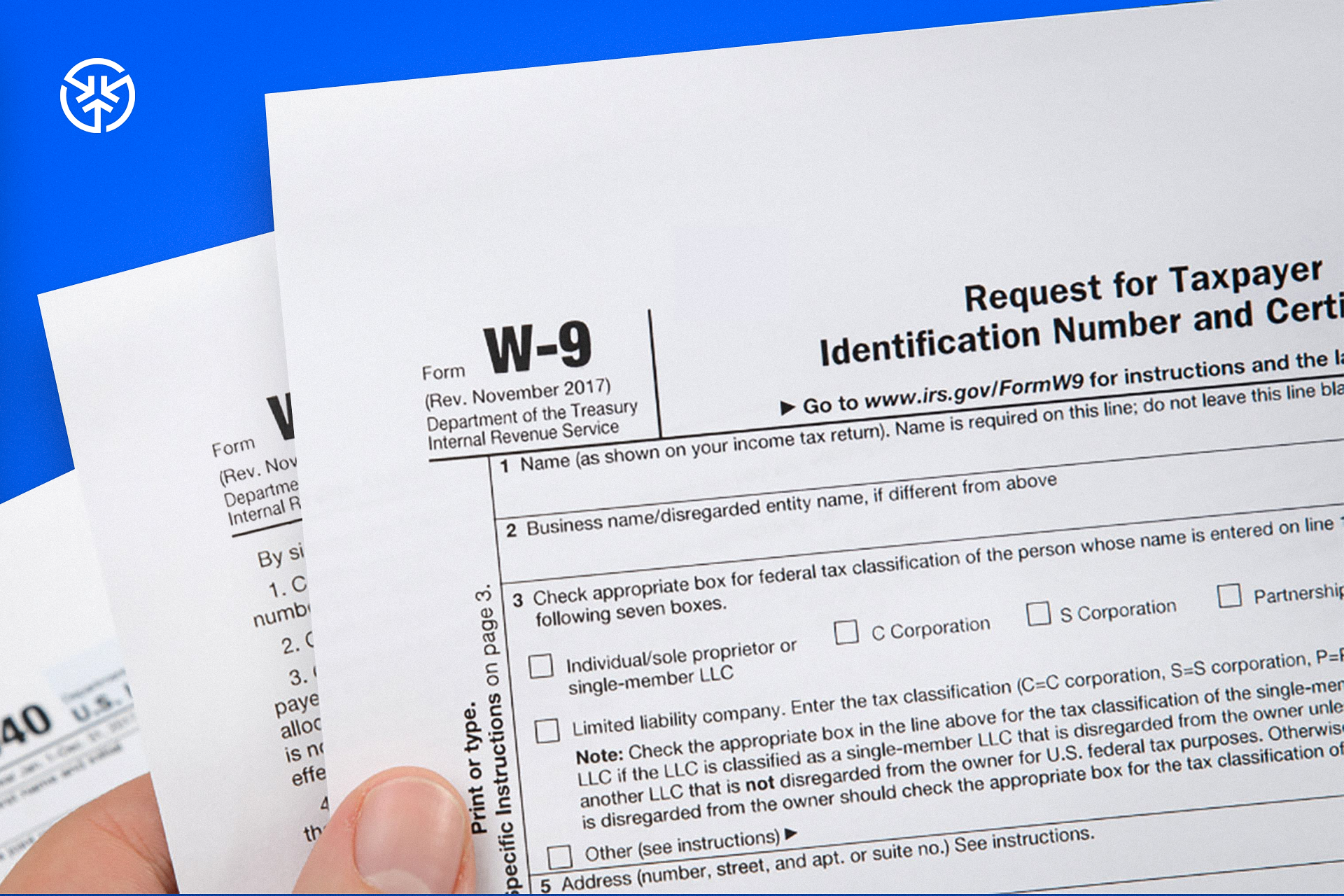
Collect tax documentation during payee onboarding, while there’s time to correct incomplete or mismatched details. U.S. payees generally provide Form W-9 when required. Foreign payees may need an applicable Form W-8 or in some cases Form 8233. The right form depends on the payee and payment. Youth soccer organizations should also decide how a minor’s guardian involvement will be handled.
Determine withholding and clear cross-border payments
Withholding depends on the payee’s status, the type and source of income, and the documentation the organization has received. Sending money to an overseas bank account does not, on its own, determine the payee’s U.S. tax status. Some U.S.-source payments to foreign persons can require withholding and reporting on Forms 1042 and 1042-S. The treatment depends on the payment and circumstances. If tax is withheld, remit it to the IRS, record the gross payment, the amount withheld, and the amount sent.
Screen the payees and payment before releasing the transfer. If a potential sanctions match needs review, resolve it before completing the transaction. For international delivery, confirm that the destination, currency, and payment method work for the payee.
Report payouts on the correct year-end forms
After the calendar year closes, use the payment records to determine what must be reported for each payee. Employee wages, contractor service payments, prizes, and payments to foreign persons can fall under different reporting rules. For payments made in 2026, the federal information-reporting threshold is $2,000 for certain payments reported on Forms 1099-NEC and 1099-MISC, including nonemployee compensation and prizes or awards. It does not apply to every payment type, and backup withholding can require reporting below that threshold.
How do soccer organizations reconcile payments by event and season?
A tournament’s entry report may not match its bank deposit line for line. Processors may batch payments, deduct fees, or settle refunds later. Compare fees due with collections, refunds, and deposits to identify missing payments, timing differences, and processing costs. Keep processor settlement IDs alongside event references so a combined bank deposit can be traced back to the transactions it contains.
For payouts, compare approved referee fees, invoices, and prize awards with transfers completed or returned. Keep each amount tied to the match, event, or approval that created it.
What should soccer organizations look for in a payment provider?
Ask a provider to walk you through one tournament, from registration to closeout. Test a team entry fee, refund, referee payout, and returned transfer. Use the demo to check what syncs automatically, where staff review is needed, and who handles exceptions. Make sure to clarify:
- Can the solution collect registration and team entry fees and send payouts in connected workflows?
- Can registration and scheduling data, including player or team assignments and fees, feed into the payment workflow? Do paid, failed, and refunded statuses sync back?
- Can payees onboard before the event? How are minors and guardians handled?
- Who collects tax forms, handles withholding and remittance, and prepares year-end reports?
- Which countries, currencies, and payment methods are supported? How are fees and exchange rates disclosed?
- For failed charges, refunds, disputes, or returned payouts, are the cause, next action, and responsible owner visible?
- Can reports show amounts due, collected, refunded, deposited, and paid by event or season?
- What support and response times are available to staff and payees?
- How do organizers review and approve payout batches before release?
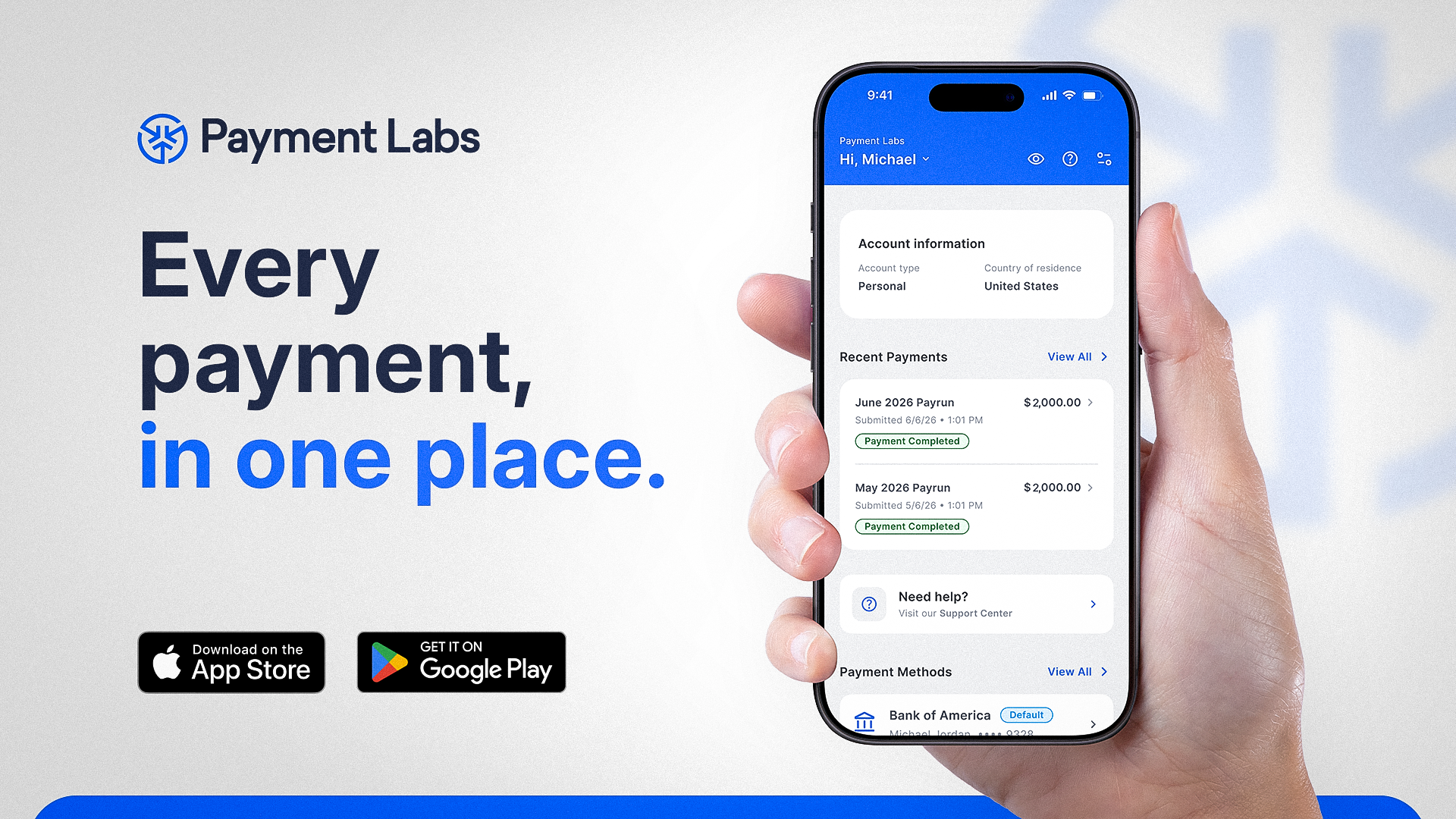
Payment Labs connects entry-fee collection and payouts with tournament software for event-level reconciliation. It onboards payees, collects tax forms, handles required withholding and remittance, and generates year-end tax documents. Organizers can run scheduled or batch payouts, while payees can track payouts and choose from supported local payment methods. Payment Labs supports transactions in 180+ countries and 150+ currencies, with predictable pricing and 24/7 support for staff and payees.
Examples from sports organizations
- X Games - onboarding athletes worldwide, managing prize payouts, and preparing tax documents.
- Arnold Sports Festival - automating prize and contractor payments, tax withholding, and cross-border payouts.
- American Cornhole League - bringing event fees, prize payouts, compliance, and participant support into one payment workflow.
- Association of Pickleball Players - automating tournament prize payouts and tax form collection for athletes.
- CueSports International - replacing manual checks with digital prize payouts, tax handling, and payee support.
Talk to the Payment Labs team about automating payments for your club, league, or tournament.