Prize promotions - legal classifications, taxes, payin, and payout infrastructure for lotteries, sweepstakes, and contests


Prize-based campaigns and games can fall under different legal and operational categories, including promotional campaigns and regulated gambling or lottery operations.
Generally, a promotion is considered a lottery when it includes prizes, chance, and consideration (payment or another thing of value required for entry). Sweepstakes avoid lottery classification by offering free participation via an alternative method of entry (AMOE), while contests avoid it by determining winners by skill rather than chance.
Whether operating a regulated lottery business or managing promotional sweepstakes and contests, organizers face many of the same challenges around payins and payouts:
- processing entry fees, refunds, and chargebacks
- verifying participant identities
- collecting tax information
- issuing tax forms
- preventing fraud
- distributing prizes
- managing and storing data
This guide explains the legal classifications, tax obligations, and payment infrastructure behind lotteries, sweepstakes, contests, raffles, and instant-win campaigns.
How prize promotions are classified - legal and practical differences between lotteries, sweepstakes, and contests
All prize promotions create tax and reporting obligations for organizers and winners. But the legal classification of a prize-based campaign determines how organizers collect money, select winners, process payouts, advertise promotions, and comply with tax and reporting obligations. A poorly structured promotion may be classified as an illegal lottery, creating regulatory exposure, payment restrictions, frozen funds, payout failures, and tax liabilities.
- Lotteries generally contain three elements - prize, chance, and paid participation. They are heavily regulated in all major jurisdictions, requiring state authorization and licensing. Payment processing, fund handling, and payout operations for lotteries are often classified as high-risk and may require specialized banking, compliance, and payout infrastructure.
- Sweepstakes are also chance-based activities but participation must be free in order to avoid lottery classification. It’s a common marketing tool for engagement and customer acquisition. But to run it effectively, organizers require robust systems for entry validation, fraud prevention, winner selection, tax reporting, and prize distribution.
- In contests, unlike sweepstakes and lotteries, winners are determined by skill (tournaments, competitions, etc). Contests may include entry fees depending on jurisdiction, but they must be structured so winners are determined by clearly defined skill-based criteria.
Most common prize promotion formats
- Sweepstakes (prize draw/giveaway) - free-entry chance-based promotions where participants enter through simple actions such as subscribing or registering.
- Raffle - chance-based prize draw where entry typically requires payment (ticket purchase) and is often restricted or regulated, commonly operated by charities or licensed organizations.
- Skill contest - competitions where winners are determined predominantly by skill, creativity, or performance under defined judging criteria.
- Promotional games - engagement tools such as spin-to-win wheels, scratch cards, or similar gamified chance-based interactions used within promotional campaigns.
- Social casino games - free-to-play casino-style games using virtual currency, typically without real-money prizes.
- Sweepstakes casino model - sweepstakes-based gaming systems where users can play for free and optionally purchase virtual currency.
Federal, state, and international regulation of prize promotions
At the federal level, prize promotions are primarily governed by general consumer protection and fraud laws enforced by agencies such as the Federal Trade Commission (FTC), the Department of Justice (DOJ), the United States Postal Service (USPS), and, where applicable, the Federal Communications Commission (FCC). These agencies enforce laws including the FTC Act, federal mail and wire fraud statutes, and other consumer protection and advertising laws.
Key requirements at the federal level include:
- Rules of “consideration” for sweepstakes - sweepstakes must avoid requiring consideration (such as payment or other valuable exchange) for entry, or they must provide a free, no-purchase-necessary alternative method of entry.
- Official rules requirement - promotions should include official rules that clearly disclose prize details, eligibility, entry methods, timing, and winner selection procedures.
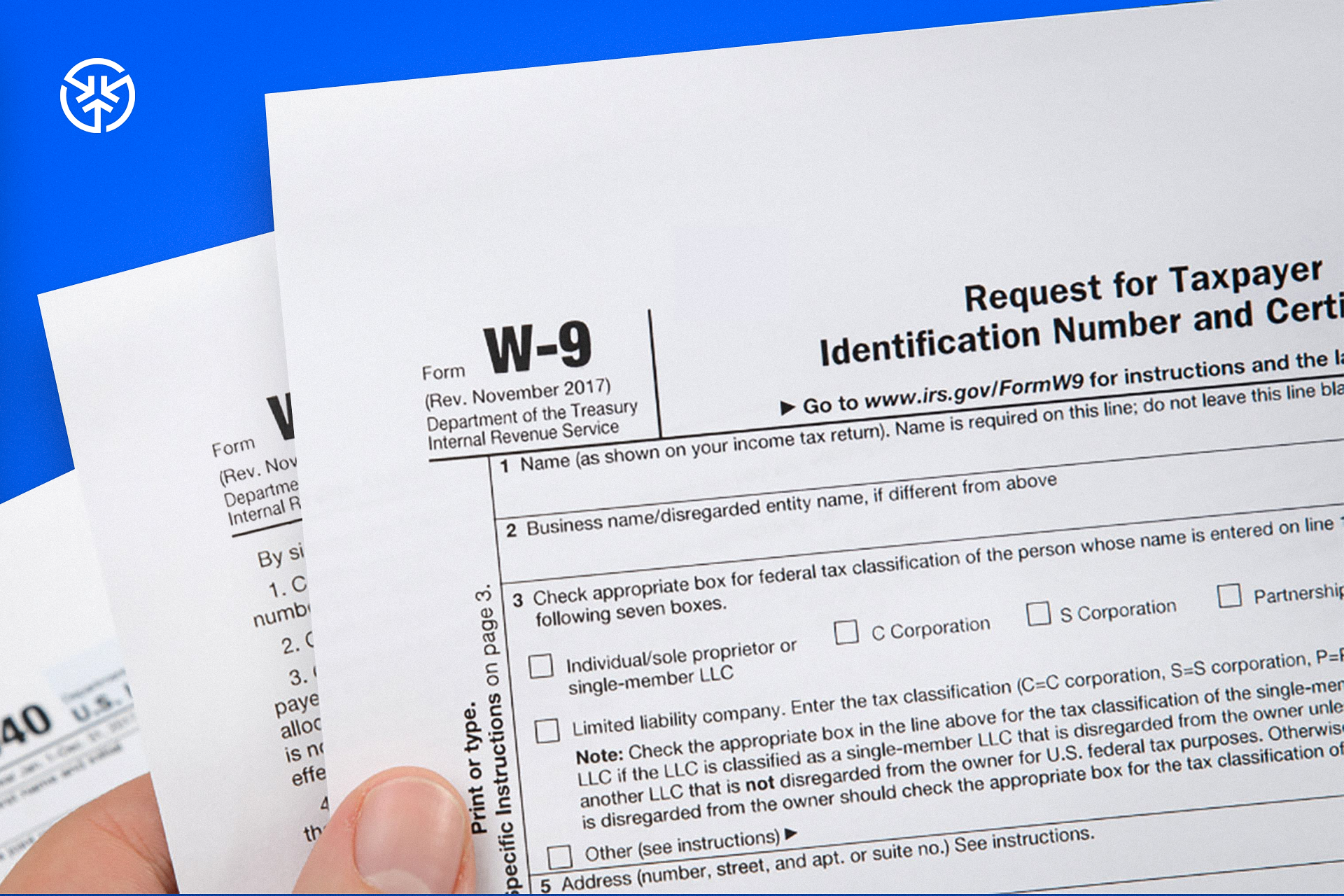
- Tax regulations - prizes are generally considered taxable income. Reporting requirements may apply depending on the prize type and value. Organizers may be required to collect a W-9 and issue a W-2G (for gambling-related winnings) or a 1099 form (such as 1099-MISC or 1099-NEC).
State laws and exceptions in prize promotions
Although federal law provides basic protection, each state has its own statutes and enforcement rules governing consideration, chance, registration, bonding, and disclosure requirements.
For example, Florida and New York require registration and bonding for qualifying sweepstakes above certain prize thresholds, along with post-promotion winner reporting. Some states, including Montana, apply stricter interpretations of chance and consideration, which can increase the risk that a poorly structured promotion is classified as gambling. Other states such as Arizona, Colorado, Maryland, and North Dakota regulate promotions under general gambling and consumer protection frameworks, meaning that improperly structured or paid-entry promotions may face increased regulatory risk.
State requirements differ significantly and enforcement depends on how a promotion is designed and executed. Organizers should seek local legal review before launching or scaling prize promotions across multiple U.S. jurisdictions.
International regulatory considerations for prize promotions
Outside the United States, prize promotions are also shaped by a mix of gambling law, consumer protection rules, advertising standards, and data privacy regulations. For operators, the key considerations are often similar:
- whether paid entry is allowed and a free-entry route is required
- whether approvals or registrations are needed
- how participant data can be processed under privacy laws like GDPR.
From a payments perspective, international campaigns introduce additional complexity around cross-border payouts, currency conversion, banking access, and potential tax withholding requirements for non-resident winners, requiring a more flexible payout infrastructure.
Tax obligations for prize promotion or lottery organizers and winners
Regardless of whether a campaign is structured as a sweepstakes, contest, raffle, or lottery, both organizers and winners in the United States have tax and reporting obligations. In general, prize winnings are considered taxable income and must be reported by the winner on their federal tax return, with the actual tax owed depending on the winner’s total income and applicable tax bracket.
Organizers must collect winner information (a completed W-9 form). If tax information is missing or incomplete, operators may also be required to apply backup withholding. Both cash and non-cash prizes trigger reporting requirements (issuance of forms such as 1099-MISC or W-2G).
Tax obligations also affect payout timing, as verifying tax documentation can delay disbursements. Organizers must also account for unclaimed prizes, withheld amounts, and reconciliation between reported prize values and actual disbursements, especially in high-volume campaigns where many small payouts are issued alongside a few large prizes.
Handling payins as an organizer of lotteries and prize promotions
Entry fees or purchase-linked participation affect legal classification and increase regulatory scrutiny, requiring strong controls over payments, disputes, and data tracking.
- Paid entry and purchase-linked participation - entry fees or purchases may constitute to. Combined with chance and a prize this increases lottery classification risk.
- Processing entry fees and purchases - payments via cards, ACH, or wallets may be treated as higher risk depending on structure and jurisdiction, potentially resulting in underwriting delays, MCC restrictions, or reserve requirements.
- Refunds, chargebacks, and payment disputes - entry payments increase exposure to disputes and require tight linkage between payment and entry data for reconciliation and resolution.
- Payin processing risks for operators - operators must manage high-volume payment flows with structured, auditable records of all transactions and entries.
Prize payout infrastructure in lotteries and prize promotions
Prize payouts in lotteries, sweepstakes, and contests require more than simple transfers, often involving identity verification, tax compliance, and audit readiness. The structure of payouts directly impacts operational risk and infrastructure requirements.
- Payment methods for prize distribution - common methods include ACH, wire transfers, push-to-card, prepaid cards, and checks depending on prize size and jurisdiction.
- Payout rails - wires are typically used for high-value prizes, while ACH and card-based systems are used for high-volume payouts.
- Identity verification - winners must be verified before payout to reduce fraud and confirm eligibility.
- Tax compliance layer - U.S. payouts may require W-9 collection, backup withholding, and IRS reporting.
- Bulk payouts - payout automation is required because manual workflows take too long, cost too much, and come with human error.
- Reconciliation and ledgering - payment records must be matched with winner and selection data for auditability.
- Failed payments and exceptions - systems must handle banking errors, compliance blocks, and retries.
- Fraud and risk controls - identity checks and velocity limits help prevent abuse and fake winners.
- Audit trail - operators must maintain records of selection, verification, payment, and tax reporting for compliance.
Risks and common mistakes in organizing lotteries, sweepstakes, and contests
Prize promotions often fail due to breakdowns in legal structure, payouts, and fraud controls. These issues typically emerge at scale.
- Accidental illegal lottery structuring - combining prize, chance, and payment can unintentionally create a regulated lottery.
- Missing a free-entry path - not offering an alternative method of entry option can trigger lottery classification.
- Paying winners before tax collection - issuing payouts without completed tax documentation creates compliance and reporting issues.
- International payout limitations - cross-border restrictions can prevent or delay winner payments.
- Payout failures at scale - manual systems often break under volume, causing delays and errors.
- Duplicate entries and bot attacks - automated or repeated entries can distort outcomes and increase fraud risk.
- Fake identities and multi-accounting - fraudulent accounts can bypass weak verification systems.
- Chargeback and payment abuse - entry fees may be reversed through chargebacks or payment disputes.
- Prize claim fraud - stolen or synthetic identities may be used to claim prizes.
- Weak fraud and verification controls - lack of identity verification and activity monitoring enables abuse.
- Poor audit trails and recordkeeping - incomplete or missing records create compliance gaps, regulatory risks, and dispute resolution issues.
What operators need in a prize promotion payment platform
Running prize promotions, sweepstakes, or lottery-style products requires more than basic payment processing. Operators need a unified infrastructure layer that can handle payins, payouts, tax compliance, fraud prevention, and audit requirements across high-volume, regulated environments.
- Entry management and eligibility rules engine - controls entry methods, eligibility criteria, and participation rules across channels.
- Payin processing infrastructure - processes entry fees and other payments via cards, ACH, and wallets while managing payment risk.
- Winner verification and KYC - verifies identity and eligibility before payout to prevent fraud and compliance breaches.
- Tax form collection and reporting - automates winner data collection, verification, reporting, tax withholding, and remittance.
- Bulk payout orchestration - processes high-volume payouts through batch execution, scheduling, and status tracking.
- Multi-method payout support - enables payouts via ACH, wires, wallets, prepaid cards, and other regional rails.
- Payout failure handling and recovery workflows - manages retries, corrections, and exceptions for failed or returned payments.
- Fraud prevention and risk controls - detects bots, duplicate accounts, and abusive payout or entry behavior.
- Cross-border compliance and FX handling - manages international payouts, currency conversion, sanctions checks, and local restrictions.
- Financial controls and reserves management - tracks prize liabilities, reserves, and settlement exposure across campaigns.
- Reconciliation, reporting, and audit infrastructure - aligns entries, winners, payments, and tax records for audit-ready reporting.
- Real-time monitoring and dashboards - provides live visibility into payouts, entries, fraud signals, and operational health.
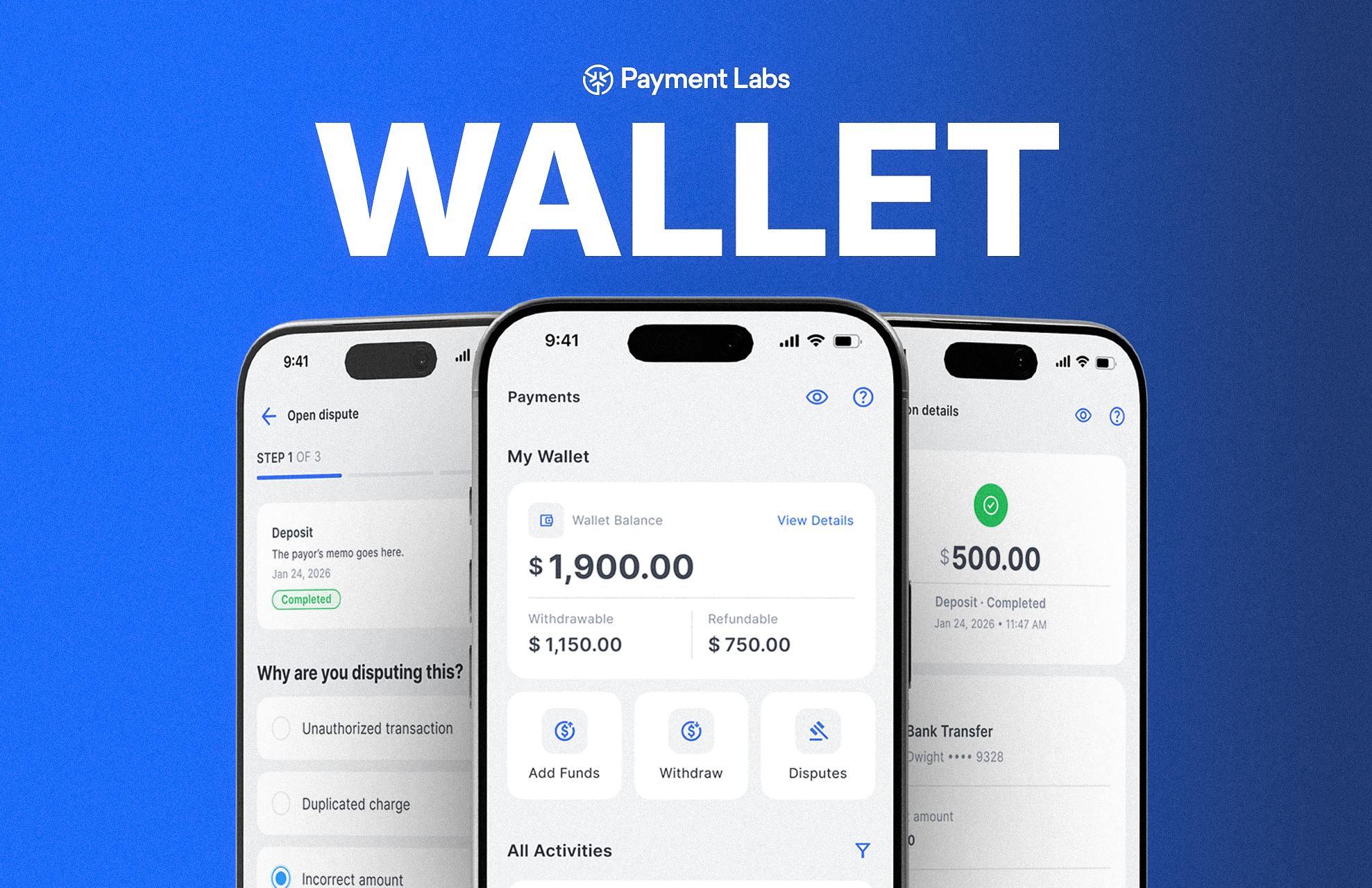
Payment Labs provides financial infrastructure for prize promotions, sweepstakes, and lottery-style products, unifying payins, payout orchestration, tax reporting, and compliance in a single system.
Operators use it to replace fragmented payment stacks with automated payins, bulk payouts, tax reporting workflows, multi-rail disbursements, and end-to-end reconciliation built for high-volume promotions.
Reach out to schedule a demo and see how Payment Labs supports prize payments, tax compliance, and audit-ready operations at scale.