Athletes pay to compete upfront. Why can prize money still be delayed for weeks?
Prize payout delays are not always caused by one bottleneck. Final results, tax and payment information, staff availability, finance backlogs, and funding can all hold up payouts. The fastest prize payment process starts before event day.

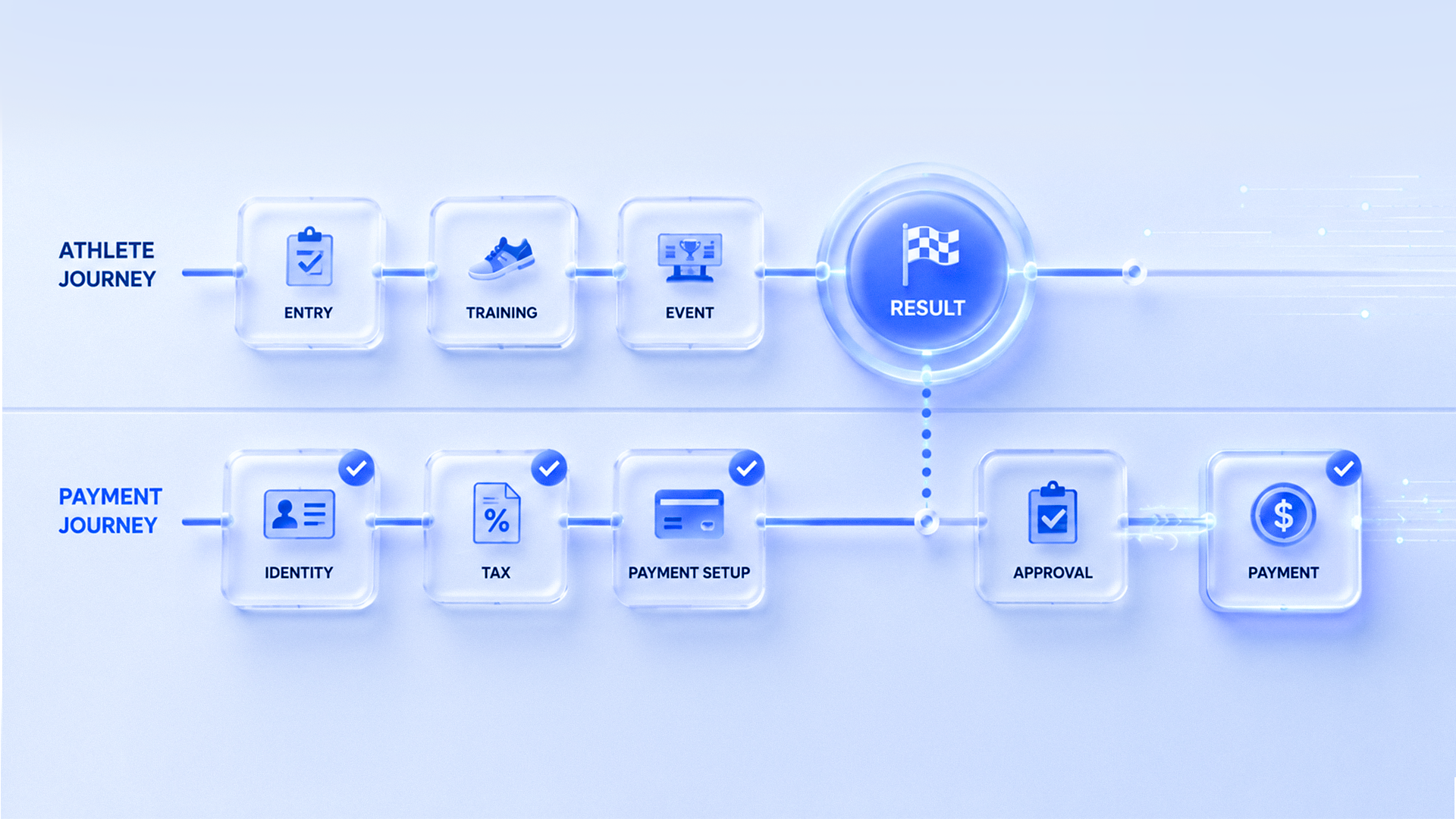
The athlete’s financial commitment begins months before the event. The organizer’s payment process may not begin until the competition is over.
Athletes in triathlon, track and field, CrossFit, and similar sports often cover their own entry fees, travel, accommodation, equipment, coaching, and recovery costs. Many do so without a salary or enough sponsorship income to cover those expenses. By the day of the event, they may already have thousands of dollars tied up in the competition.
Winning does not necessarily bring that money back quickly, if at all. The results may be announced and the prize amount published, but the prize payment can still depend on disputes, anti-doping clearance, complete tax and payment information, internal approvals, and availability of the funds.
Some of that waiting is necessary. Much of the administrative work, however, could have been completed before the event. The real question is not whether every athlete should be paid at the podium. It is why the payment process is sometimes only getting started after the results become official.
Athletes carry the cost before organizers owe the prize
Entry and qualification fees are only the beginning. Athletes also pay for flights, local transportation, hotels, meals, equipment and maintenance, coaching, medical care, recovery, and support staff weeks or months before the event. They carry those costs whether or not they win anything.
A payment that arrives weeks or months late is not simply a delayed reward. It replaces money the athlete may already have spent to compete, sometimes after they have already begun paying for the next event.
A $5,000 prize paid promptly can help cover training, travel, and entry into the next competition. The same prize paid months later may arrive only after the athlete has had to finance those costs again.
Why prize money payments are delayed after sporting events
Even when the results are posted and the prize amount is already known, the organizer may not yet have everything required to issue the payment.
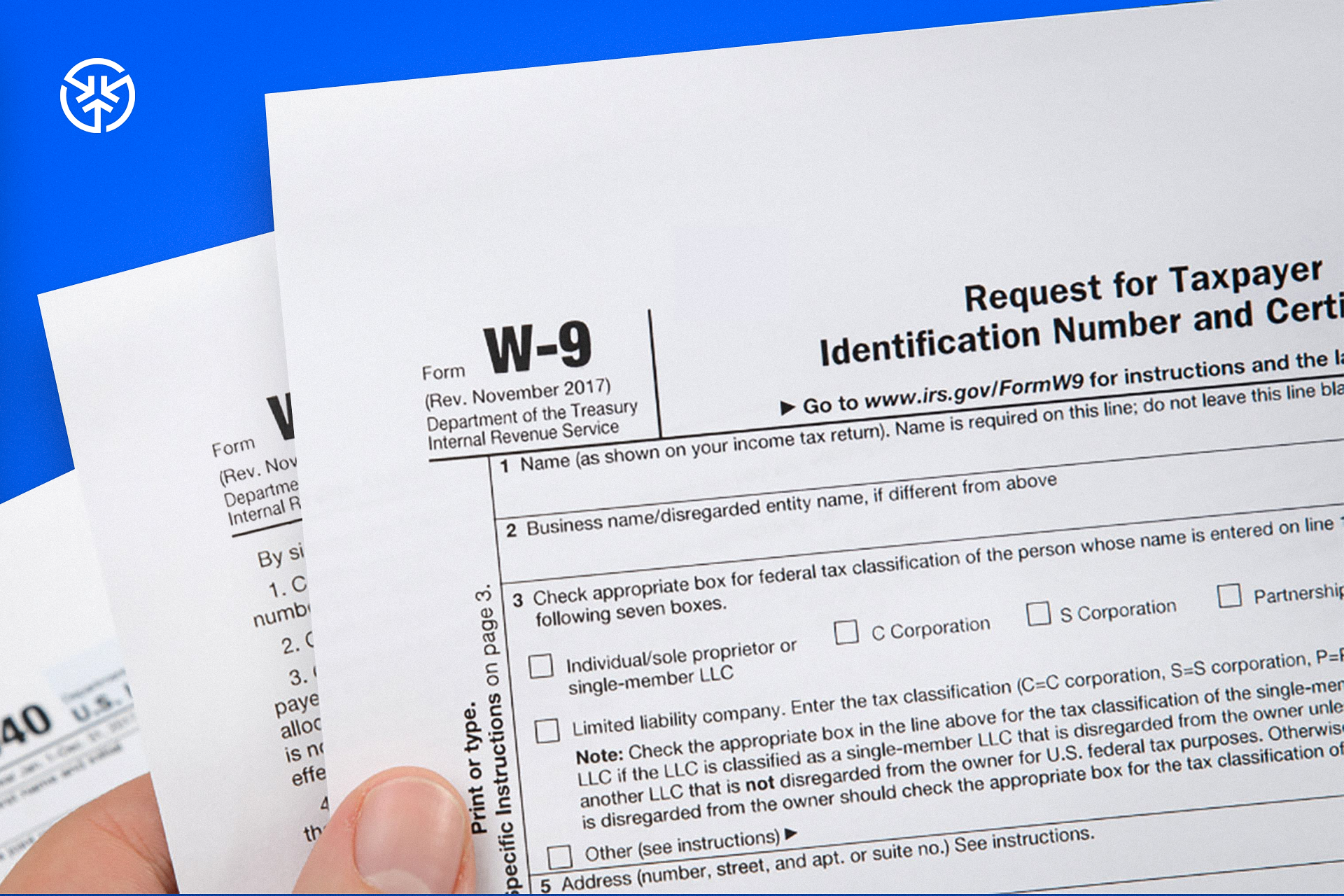
The competition team may still be resolving protests, cheating allegations, disqualifications, eligibility questions, or awaiting anti-doping results. Ties, bonuses, final rankings, and contractual terms also affect the amount owed. Once those questions are settled, finance needs an approved record of who should be paid and how much. The organizer then needs to verify the athlete’s identity, confirm tax and banking information, calculate withholding, approve the payout file, and make the required funds available.
Each step can involve a different team or system. Some of those dependencies cannot be resolved until the competition is over. An organizer cannot safely release payment while standings, eligibility, anti-doping clearance, or the amount of the award remain unresolved.
Result readiness and payment readiness are not the same
Some payout work cannot begin until the result is final. Other work does not depend on the result at all. Final standings, protests, eligibility decisions, anti-doping clearance, and exact prize amounts have to wait until after the event. Identity verification, tax forms, payment details, tax classification, funding plans, and approval rules often do not.
A protest may still be unresolved while tax forms are collected. Anti-doping clearance may still be pending while payment details are validated. The final prize amount may still be unknown while funding and approval rules are prepared.
When the results become final, the organizer should ideally be authorizing a prepared payment rather than beginning to assemble one.
Many administrative delays in prize payouts can be prevented
Many organizers wait until the result is official to start work that could have been completed before the event. These are among the most common causes of avoidable delays:
- Waiting until winners are known to collect and validate identity, tax, and payment information.
- Determining tax treatment after the event.
- Storing athlete tax and payment information across different systems and teams.
- Leaving approval requirements and funding arrangements until the final payout batch is assembled.
These problems often overlap. An athlete may submit payment information to event staff, update a tax form through another contact, and later correct their details through finance. By payout time, several teams may hold different versions of the same record, leaving finance to determine which one is current.
Event payouts are a surge operation
Event payouts do not arrive as a steady stream of ordinary accounts-payable work. A competition can suddenly add hundreds of prize payouts and payments to contractors, officials, and vendors to a finance team that is already processing its normal invoices, reimbursements, and other payables.
The timing can make that surge harder to absorb. Event payouts may land while accounting is already working through month-end close, while event staff are taking post-event leave, or after key personnel have moved immediately into the next competition. Staff turnover creates another problem when ownership of athlete records, approvals, or unresolved payments was never clearly transferred.
At the same time, the payout itself is rarely a uniform batch. Some recipients may be ready to pay, while others still have missing tax information, disputed amounts, failed payment methods, or other exceptions. Finance has to process a sudden increase in volume while also identifying which payments can move, which need follow-up, and who owns each unresolved record.
Processing that batch means managing several requirements at once:
- Final results and approved amounts
- Complete recipient and tax records
- Funding, approvals, and payment execution
- Exceptions, returns, support, and reconciliation
The workload does not end when the main batch is released. Rejected or returned payments still have to be investigated, corrected, reissued, and reconciled, often while accounting has already moved back to its regular queue. Without a defined exception process and clear ownership, individual athletes can remain unpaid long after most other event payments have been completed.
Faster prize payments start before event day
Organizers do not need to know who will win to prepare athletes to be paid. Much of the recipient-side work can therefore be completed while the event itself is still being prepared. Before the competition, they can:
- Onboard athletes who may become eligible for payment
- Collect and validate identity, tax, and payment information
- Establish tax treatment and withholding requirements where possible
- Define how final results will become payment instructions
- Establish the approval path and determine when prize funds will be available
- Separate incomplete and payment-ready records
- Assign ownership for failed, returned, or disputed payments
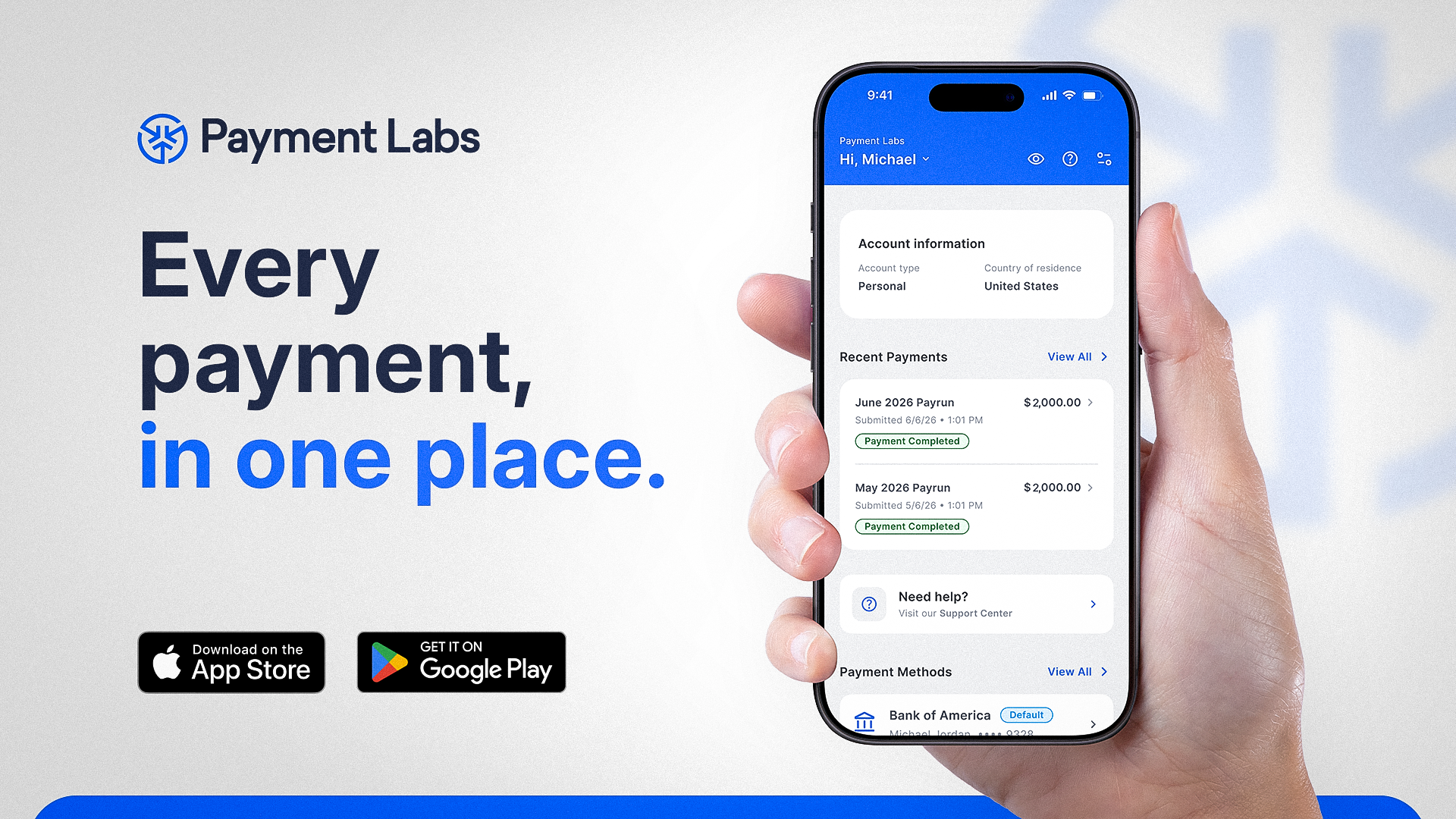
- Give athletes a way to update their details and see payment status
The winners and final amounts may still be unknown, but each athlete’s payment record can already be ready. Once final results are available, payment-ready recipients can move forward while incomplete records are routed separately for follow-up. Athletes can also see whether payment is waiting on results, documentation, funding, or processing instead of asking the organizer for an update.
Preparing prize payments before the results are final
Payment Labs gives sports and esports organizations a way to prepare recipients for payment before final results are known. Athletes can complete identity verification, tax forms, and payment setup in advance, and correct incomplete or rejected information before it becomes a post-event problem.
Once results are final and required clearances are complete, organizers can apply the final prize amounts and move payment-ready recipients forward while routing exceptions for follow-up. They can then:
- Apply approved prize amounts and withholding
- Issue domestic and international payments
- Separate payment-ready records from exceptions
- Track pending, completed, failed, and returned payments
- Give athletes visibility into payment status
- Reconcile the completed payout batch
Preparation cannot eliminate legitimate waits for protests, eligibility decisions, or anti-doping clearance. It can prevent those necessary waits from being followed by another round of avoidable administrative delay.
Athletes will have to wait for results to become official. They should not then have to wait for the payment process to be assembled around it.